-1.png?t=1618867322)
Mistakes Made During Fake Grass Installation in Metro New York (and How You Can Prevent Them)
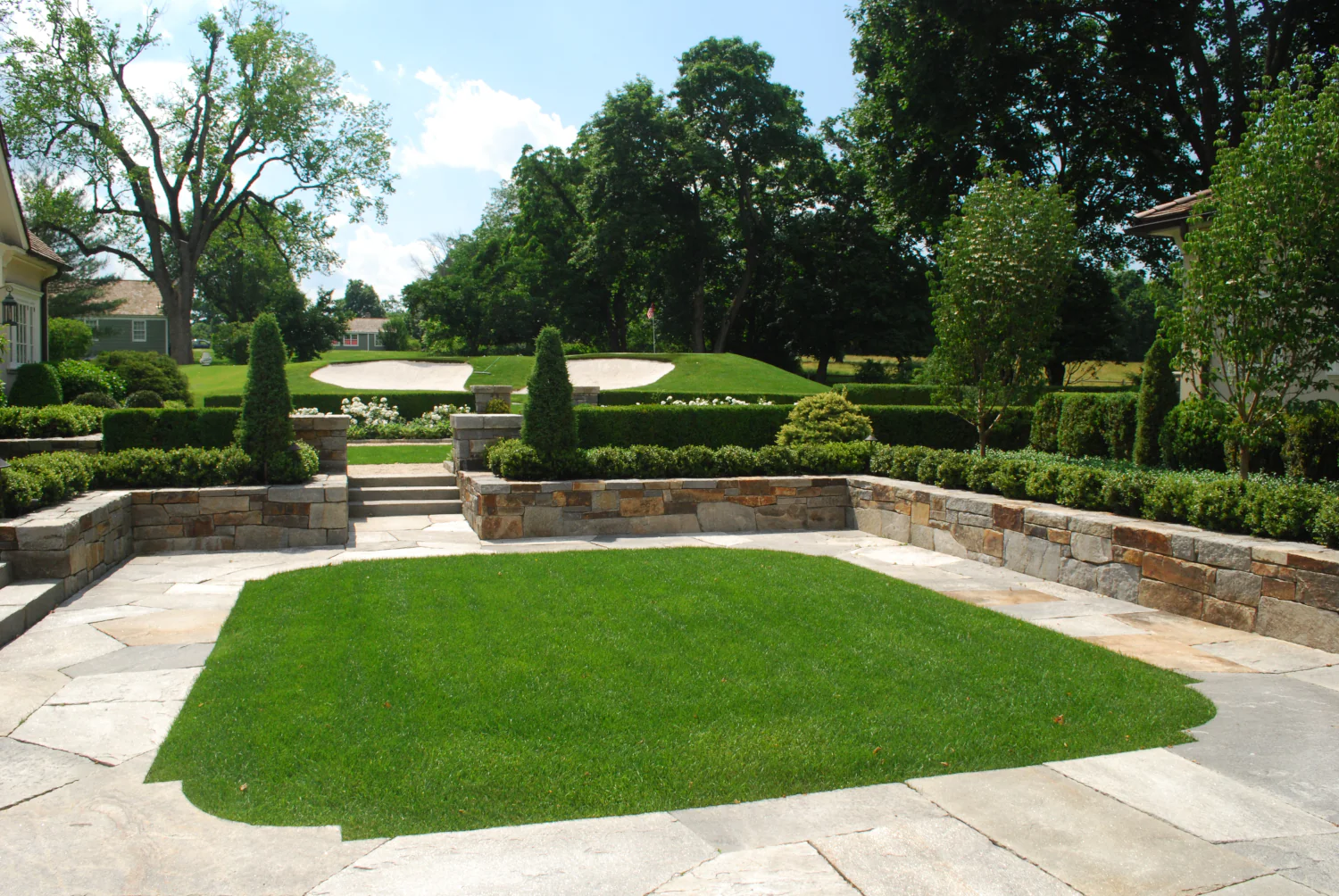
Synthetic grass has become a widely used landscaping solution for Metro New York homeowners looking for a beautiful, low-maintenance lawn. Whether you're installing artificial turf for dogs, designing a backyard putting green, or simply swapping out your traditional lawn with long-lasting lawn turf grass, the results can be eye-catching. But as long as the setup is done the right way.
Many homeowners make costly errors during fake grass installation that can cause water flow issues, obvious seam lines, premature wear, and an unrealistic look. The upside? Nearly all of these problems are entirely avoidable when you understand what to look out for.
Mistake #1: Poor Base Preparation
The groundwork of any successful synthetic grass installation is the layer below. Many DIY or cheap installers skip through or fail to include correct base prep, resulting in problems down the road.
The Problem: Without a well-compacted base, your artificial grass can experience low spots, bumpy areas, and poor drainage performance. This is especially problematic for artificial grass for pets, where effective drainage is essential for smell control and cleanliness.
How We Avoid It: When preparing the base for bigger pet areas, we use non-compacted stone for better drainage. We dig out the soil and add a crushed stone base. Proper grading with a gentle slope ensures water drains away from buildings and doesn't pool on your lawn. This essential step requires specialized equipment and expertise to get right.
Mistake #2: Ignoring Drainage Requirements
Poor drainage is one of the top concerns about artificial turf installations, yet it's entirely avoidable with the right planning and expertise.
The Problem: When water can’t drain properly through and away from your synthetic grass, you'll experience standing water, soggy areas, and potential mold or mildew growth. For Metro New York property owners with artificial turf for dogs, inadequate drainage can also lead to unsanitary conditions and lingering smells.
How We Avoid It: Our professional installers evaluate your site drainage requirements before work starts. A professional installation includes drainage channels in areas prone to water accumulation and always maintains adequate slope away from foundations. This expertise prevents costly water-related problems that can trouble DIY installs.
Mistake #3: Noticeable Seams
Nothing ruins the visual appeal of synthetic grass faster than obvious seam lines that create lines across your lawn, a telltale sign of lack of experience.
The Problem: Incorrect seam placement, uneven grain direction, or poor seaming methods cause obvious lines that make your artificial lawn look unnatural and unprofessionally installed.
How We Avoid It: Our team carefully plans seam locations, keeping clear of high-traffic areas and placing them where they'll be least visible. They verify the grain of adjacent turf pieces runs in the correct direction and use seam tape with quality outdoor adhesive engineered for artificial grass. For critical areas like a backyard putting green, we deliver virtually seamless transitions that preserve the visual appeal of your project.
Mistake #4: Picking the Incorrect Turf Product
Not all artificial grass is the same, and picking the wrong product for your intended use can cause frustration.
The Problem: Using turf that is not suited for your application or needs results in long-term dissatisfaction. Installing putting green turf for a pet area or choosing turf with insufficient pile height for your climate are typical mistakes. Different applications require different turf characteristics.
How We Avoid It: We assist you in choosing the best option for your unique application. First, confirming you have the ideal choices for your geographic area is best practice. For artificial grass for pets, you need turf engineered with superior drainage and strong fibers that fight stains. Artificial turf for dogs features higher face weights that can withstand heavy use. When creating a backyard putting green, we use turf with the correct stimp rating and playability for your skill level. SWG manufactures premium synthetic turf with specific characteristics in mind, which controls qualities like pile height, ounce weight, and best application for you and your family, helping avoid subpar results and long-term dissatisfaction.
Mistake #5: Insufficient or Incorrect Infill Application
Infill serves several functions in fake grass installation: it adds ballast, keeps blades upright, provides cushioning, and aids in filtration. Doing this properly requires knowledge and precision.
The Problem: Leaving out infill, using the wrong type, or applying insufficient amounts leads to matted grass, drainage issues, and a surface that appears artificial. Overapplication can also create problems by making the surface too firm and causing excess heat retention.
How We Avoid It: Infill options include silica sand or antimicrobial sand for pet areas like K9 sand. We install infill uniformly using specialized equipment. We then powerbrush the turf after installing infill to work it down to the fiber and allow grass blades to stand tall, achieving that perfect realistic look. If you want your lawn to stay nice and cool in the hot summer months, you should also consider HydroChill®, which has an built-in antimicrobial.
Mistake #6: Skipping Weed Barrier Installation
Some installers leave out the weed barrier to speed up installation, but this time-saver almost always leads to issues and causes future maintenance issues.
The Problem: Without a reliable weed barrier, you'll deal with weeds emerging through your synthetic grass, which are hard to eliminate without compromising the surface.
How We Avoid It: We always install a professional-grade, permeable weed barrier fabric under the compacted base before installing turf. Weed barrier helps stabilize the base. It is highly recommended in cooler climates where weeds can spread easily. Weeds rarely grow up through the base and the turf, as light is blocked. But they can grow in the sand infill, which can be handled easily by routine professional maintenance once a year.
Mistake #7: Underestimating Installation Complexity
One of the biggest mistakes homeowners make is underestimating what professional synthetic grass installation requires. What looks simple often demands complex technical challenges.
The Problem: Artificial grass installation involves specialized know-how of grading, drainage, subsurface conditions, climate factors, and product specifications. Installations with elevation changes, detailed designs like tee lines, or advanced installs like backyard putting greens require experienced installers. Non-professional installs often cost more in the long run when issues occur, and the installation must be replaced by professionals.
How We Avoid It: Our trained experts bring extensive experience, professional tools, and best practices to every job. They understand soil composition, proper drainage engineering, and how different products perform in different environments. Hiring professionals avoids headaches, avoids costly mistakes, and comes with warranties that protect your investment.
The Bottom Line
A beautiful, long-lasting fake grass installation requires expertise, precision, quality materials, and best practices. While the cost in expert installation may seem higher initially, it's much more affordable than dealing with problems that come from a bad install.